Why intergenerational mentoring is so important
The Swiss Study Foundation offers a diverse support programme for talented, committed and high-achieving students. It helps young people to play a responsible role in society. In many cases, the people who previously benefited from talent support later go on to become mentors.
17.06.2026
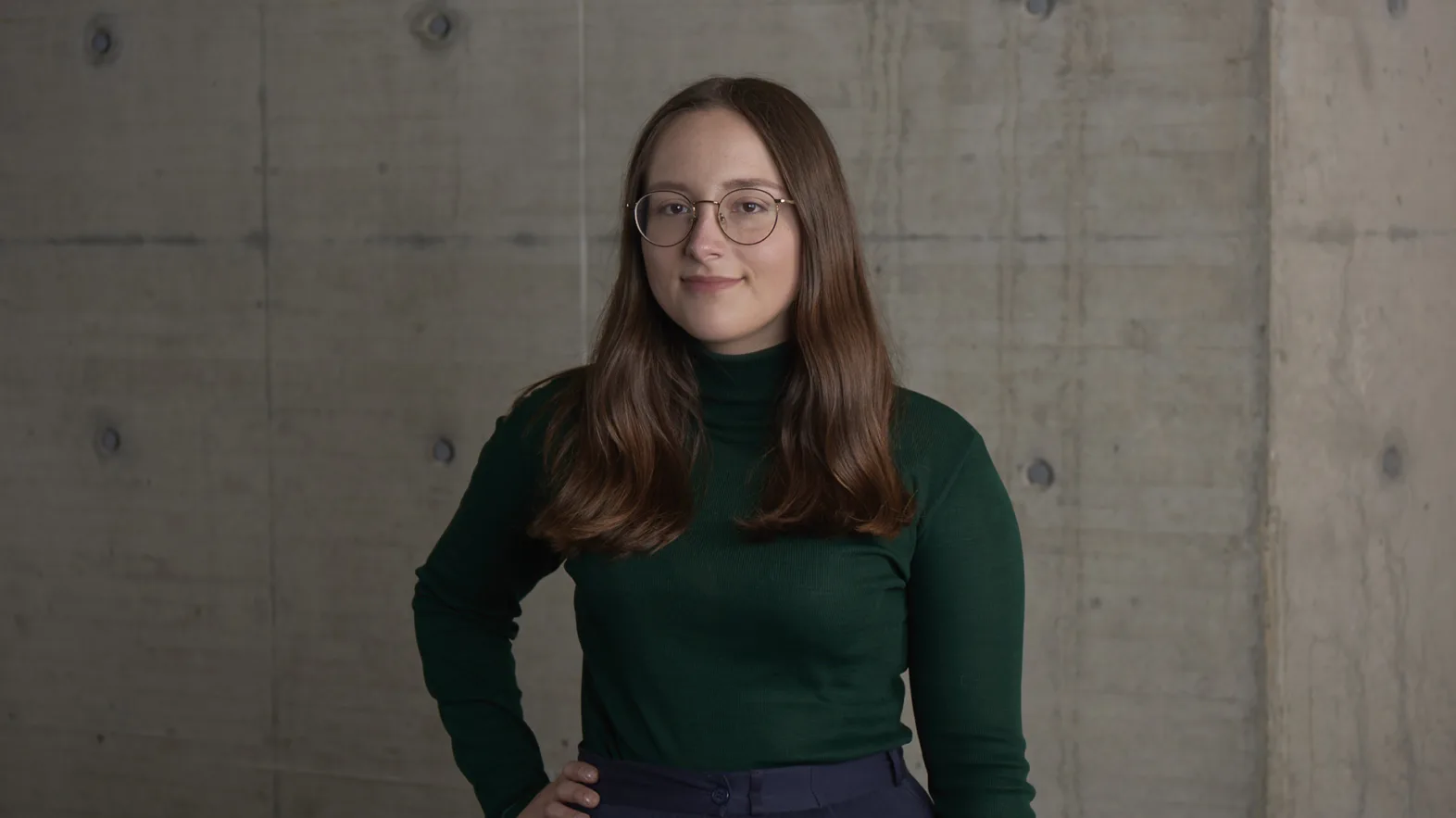
Early support for curious, motivated and creative young talent is a key priority of Swiss education policy. This is why the State Secretariat for Education, Research and Innovation (SERI) supports organisations such as the Swiss Study Foundation. Among other things, this organisation enables outstanding students to build both international networks and intergenerational connections. Many recipients are not newcomers to talent promotion: They have often already demonstrated their abilities through exchanges with peers from around the world, e.g. in Science Olympiads or through programmes run by the Swiss Youth in Science Foundation (SJF). SERI provides targeted funding to both organisations to support their efforts to promote young talent across borders and prepare the next generation of scientists.
Please activate marketing cookies to watch video.
Her calling came in upper-secondary school
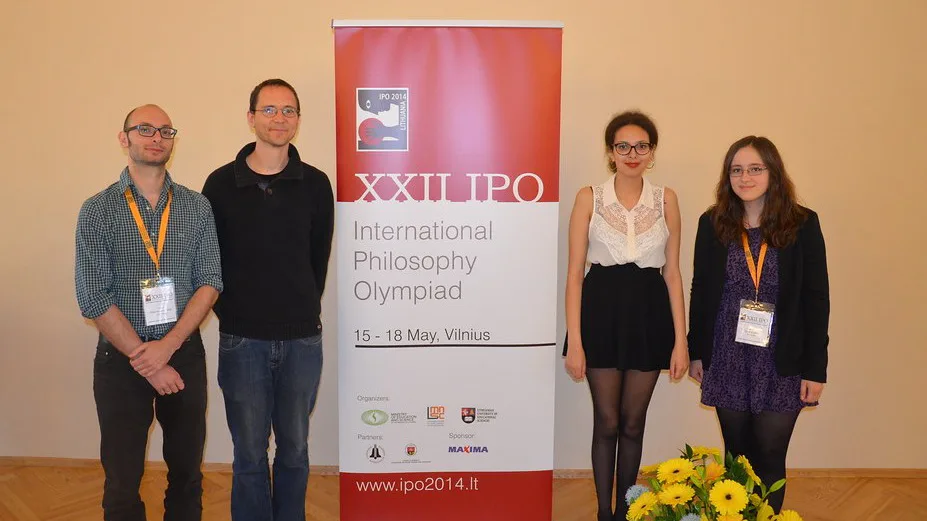
Although Lara Gafner was already an enthusiastic learner in her upper-secondary school years, at first she couldn’t really imagine delving into a subject as multifaceted as philosophy. In an interview with the E2 news portal, she mentions two people who encouraged her to take part in the Philosophy Olympiad and later to apply to the Swiss Study Foundation: the first was her philosophy teacher at the time and the second was a former participant of the Philosophy Olympiad and alumnus of the Swiss Study Foundation. Her general interest in the discipline and enjoyment of critical thinking soon became a driving force. In 2014, she competed in the International Philosophy Olympiad in Vilnius (Lithuania). A year later, she won an award at the IPO in Tartu, in the neighbouring country of Estonia.
Covering 11 disciplines, the Science Olympiads provide intellectual stimulation and offer a platform for like-minded individuals, friendships and new ideas. The philosophy behind the Science Olympiads is to spark curiosity among young people across Switzerland at an early stage and foster their scientific potential. To this end, around 500 volunteers work with the secretariat to organise workshops, camps, exams and specialised Olympiads. These activities provide targeted training and prepare young people to compete successfully with the world’s best in their field.
Swiss Study Foundation's philosophy
This outward-looking approach has proven useful, laying the foundation for strong, well-trained teams in Switzerland that are internationally connected. The Swiss Study Foundation builds on this by bringing together individuals from a range of disciplines who share perspectives and develop new ideas through collaborative learning. Intergenerational exchange is also very important and facilitated by the secretariat, the Foundation Board and a large network of volunteers. In 2025, around 164 assessors contributed their expertise on a voluntary basis at one-day selection seminars. There they assessed applications from young people with outstanding intellectual abilities, taking into account their motivation, personality, interests and social engagement. After a series of individual interviews and group discussions, 170 people – or 73% of all invited candidates – were admitted to the Foundation’s support programme last year, which now includes nearly 1,000 participants. These young people benefit from voluntary mentoring by professors as well as from the Swiss Study Foundation’s offerings, such as scholarships for study abroad and a diverse educational programme with over 100 national and international events each year. The diversity of this network encourages many participants to remain involved even after their funding has ended – whether it be through mentoring, participation in selection seminars or membership in the Suivi alumni association.
A firm believer in the power of education
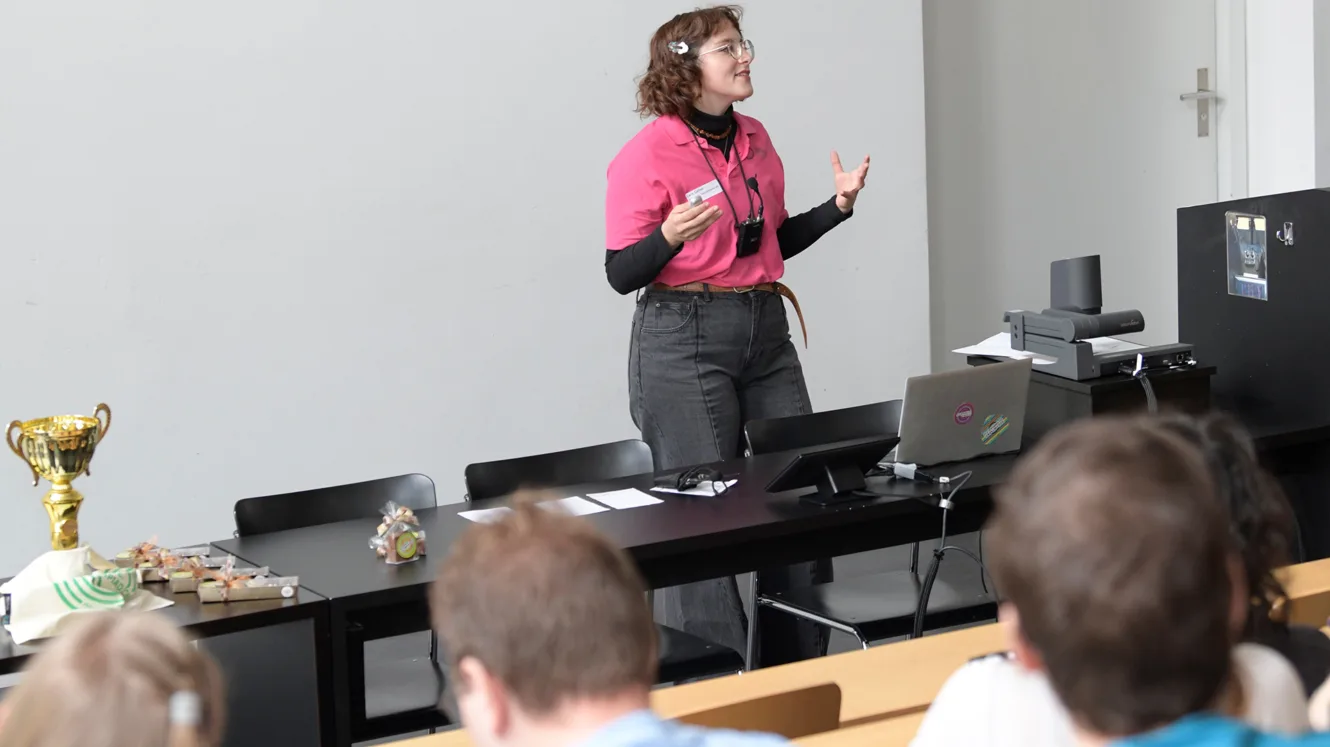
Lara Gafner is strongly committed to intergenerational learning and, more recently, teaching. She is actively involved in a wide range of professional, academic and volunteer activities. At the Science Olympiad office, she works in communications where she applies key skills relevant to her role as a specialist philosophy teacher and her studies at a university of teacher education. At the same time, she is active as a volunteer: She chairs the Philosophy Olympiad in Switzerland and serves as an assessor for the Swiss Study Foundation.
Contact
Authors
Claudia Lippuner
Irina Mayer
Related links
Read more
Mia Mader
Claudia Lippuner, …